How do you decide what to publish?
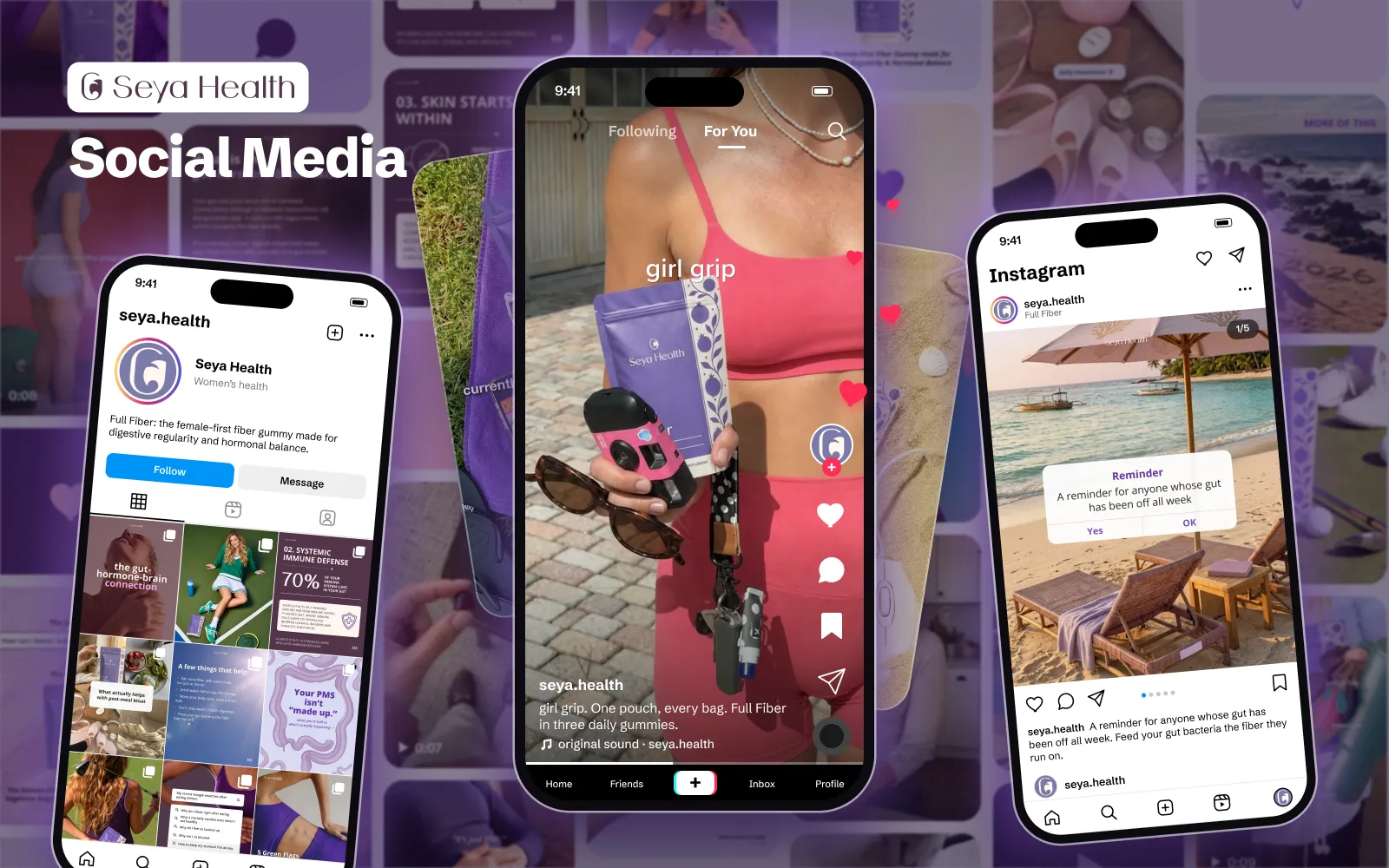
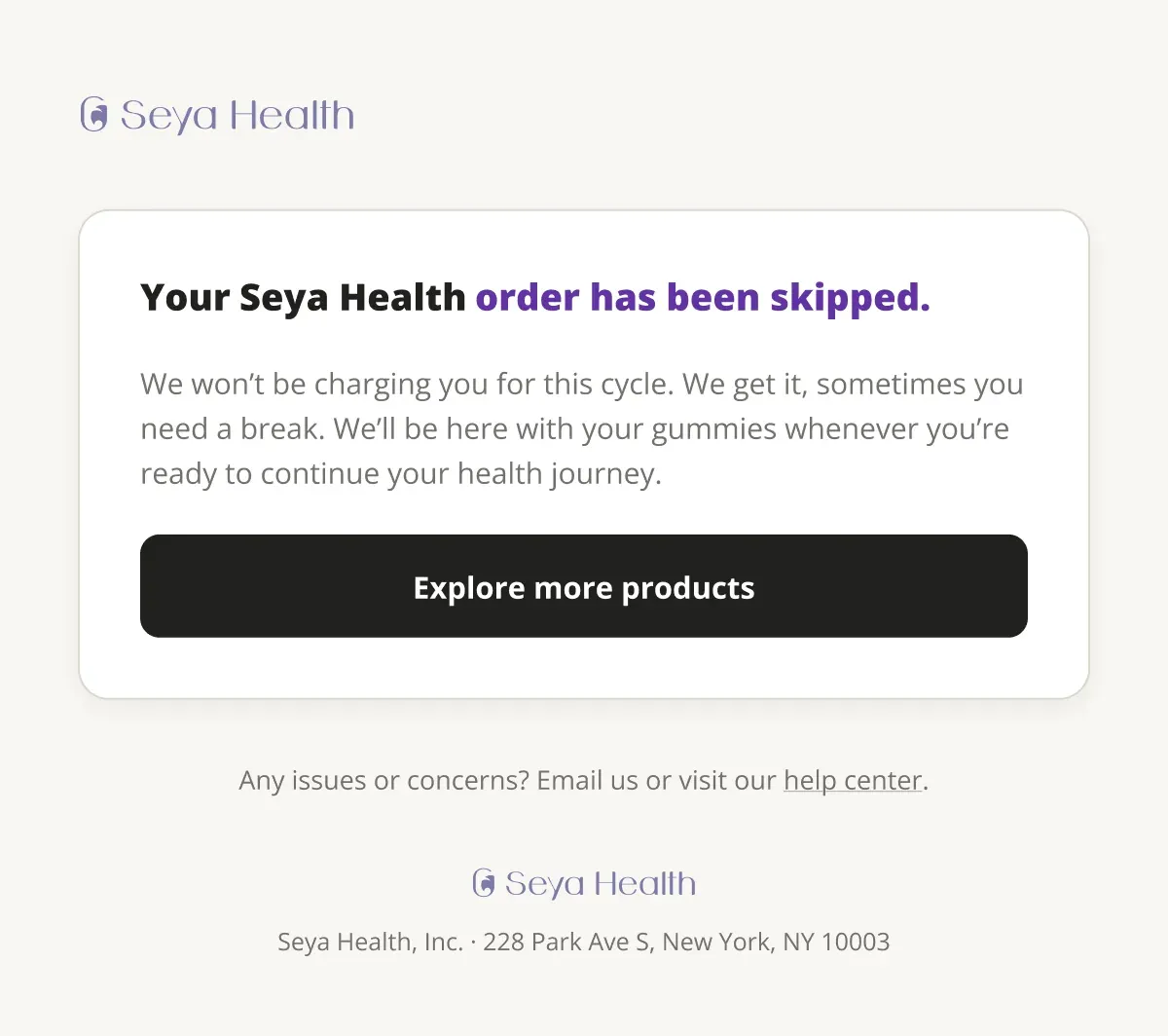
From real buyer questions, in order of how close they sit to a sale. I read customer calls, talk to sales and check search data. At Seya Health that put an FSA and HSA reimbursement guide first, and it reached Google's first page within two weeks.
Do you use AI to write, and who checks it?
Yes. AI and I work as one team: I set the brief and the angle, AI drafts inside a pipeline I built, and I edit, fact-check and sign off every piece. Automatic checks then scan for banned claims and missing disclaimers. On Seya Health's ad copy, the scan caught five stray dashes and two leftover competitor words that my own read had missed.
Can you write about regulated products like supplements?
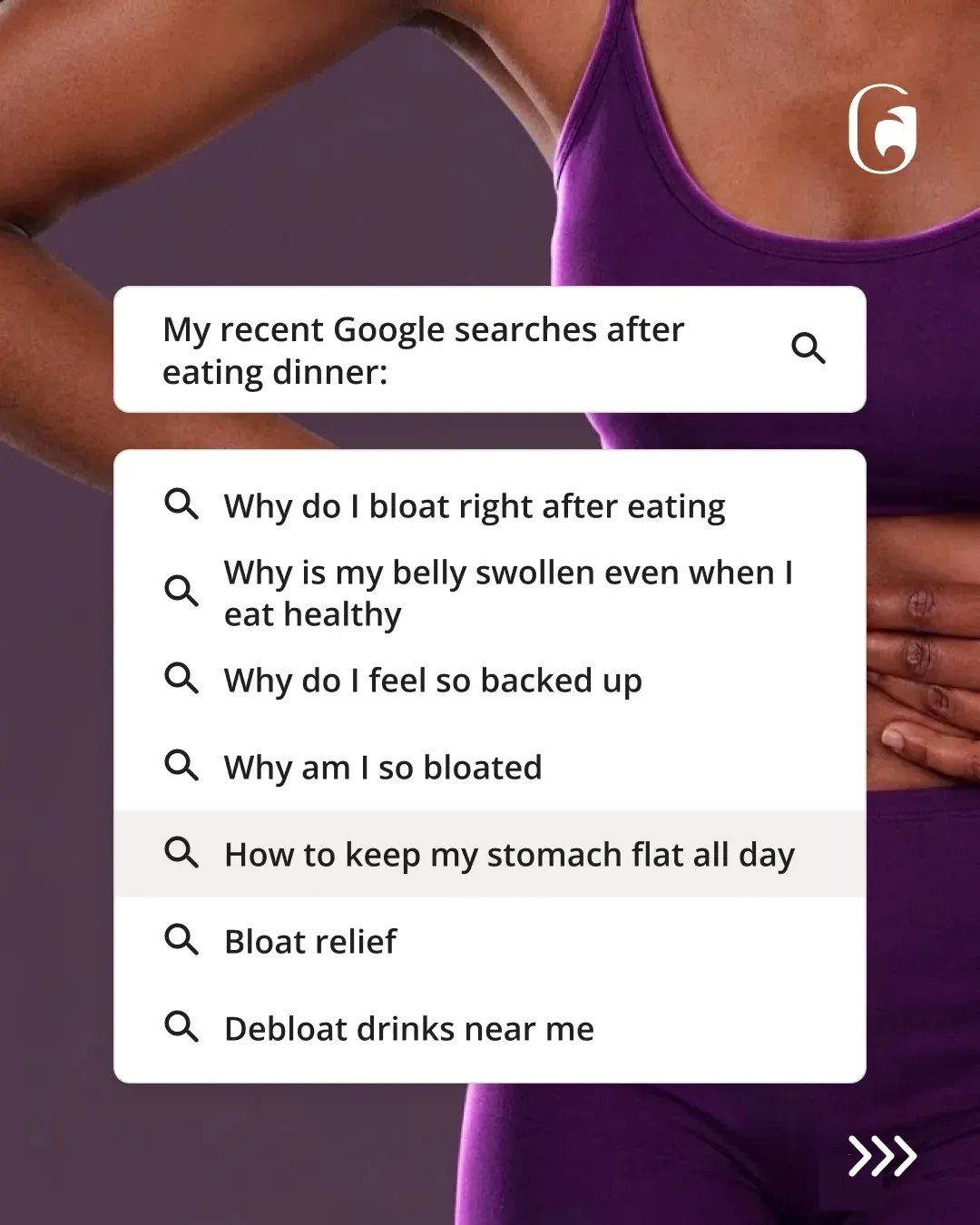
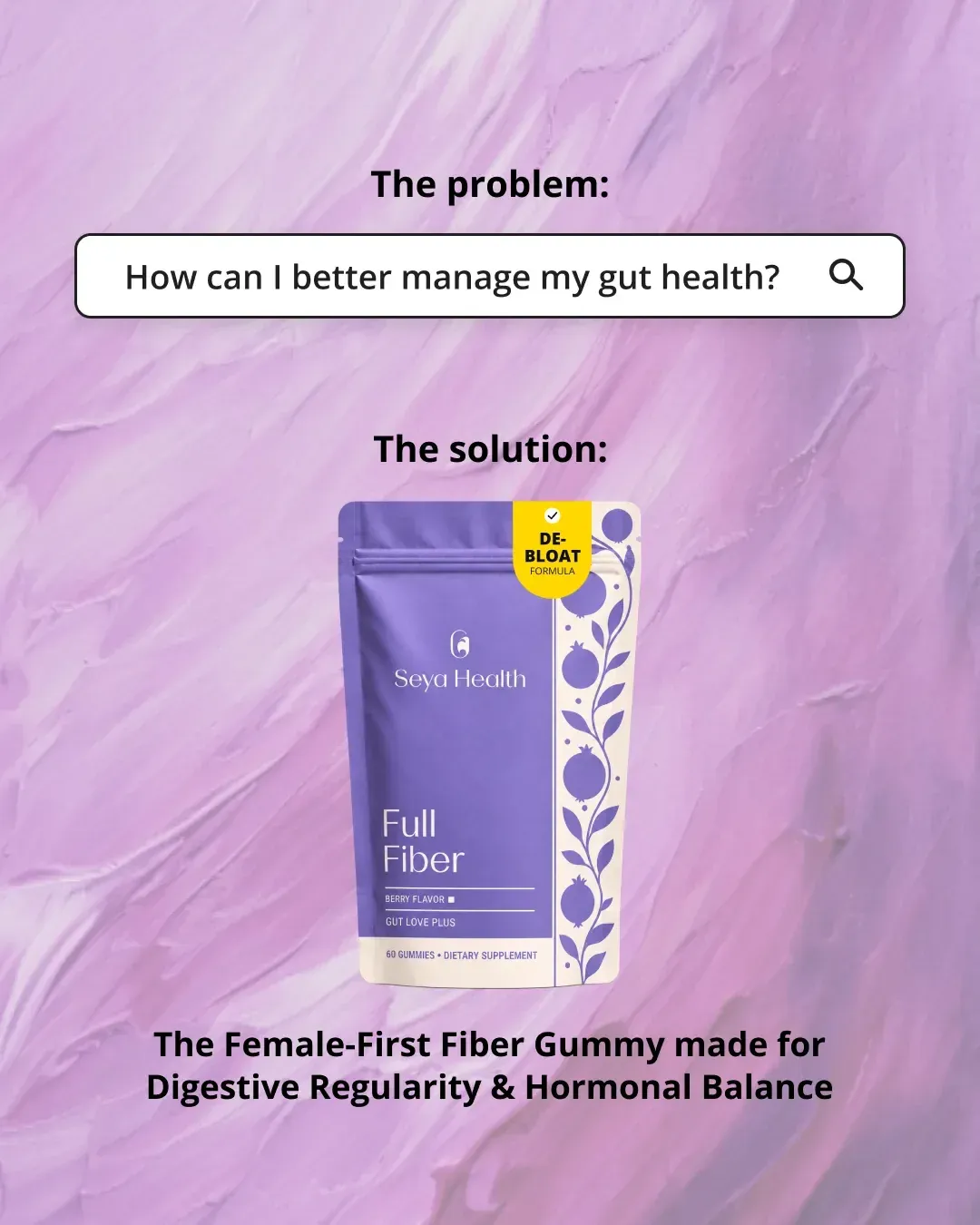
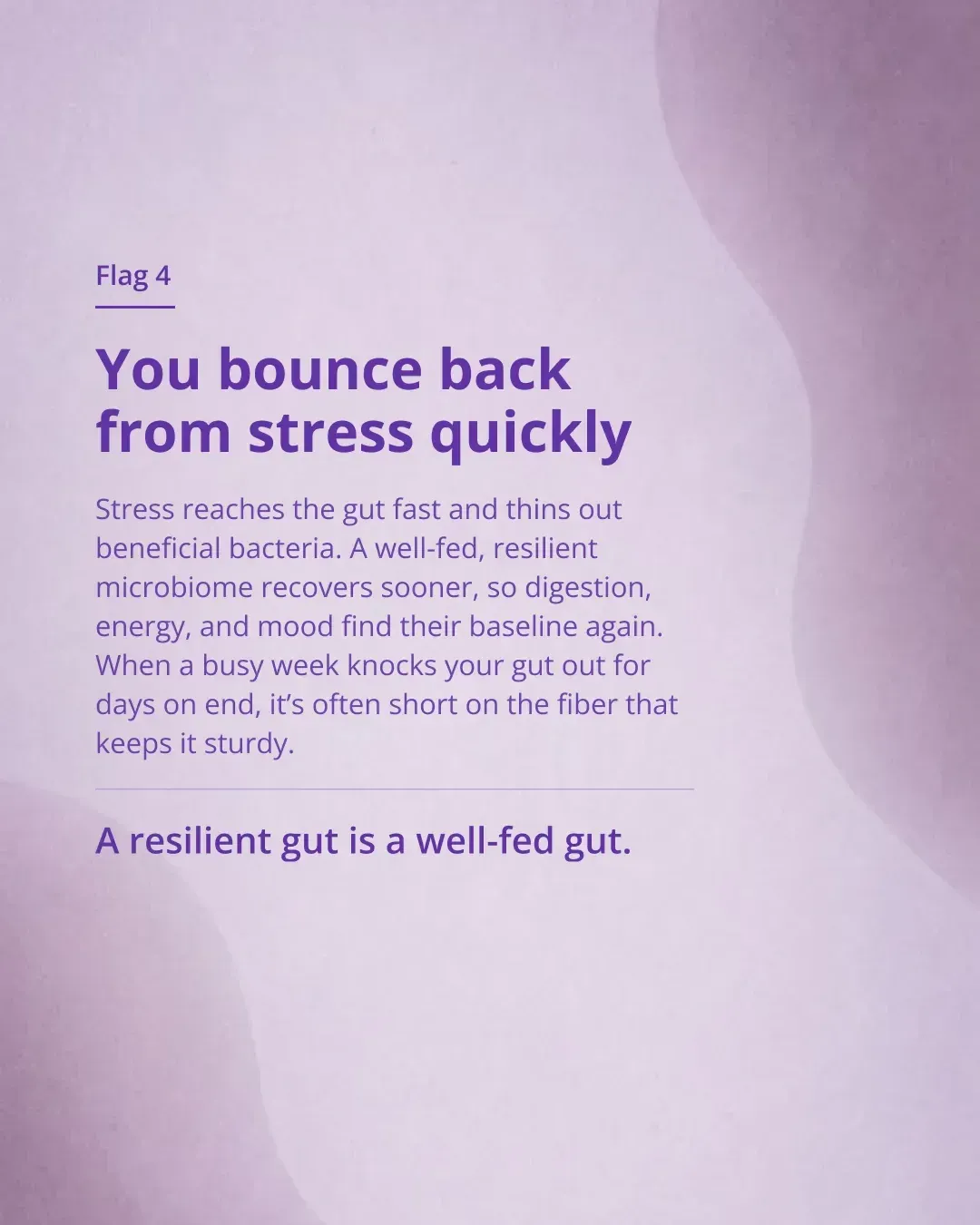
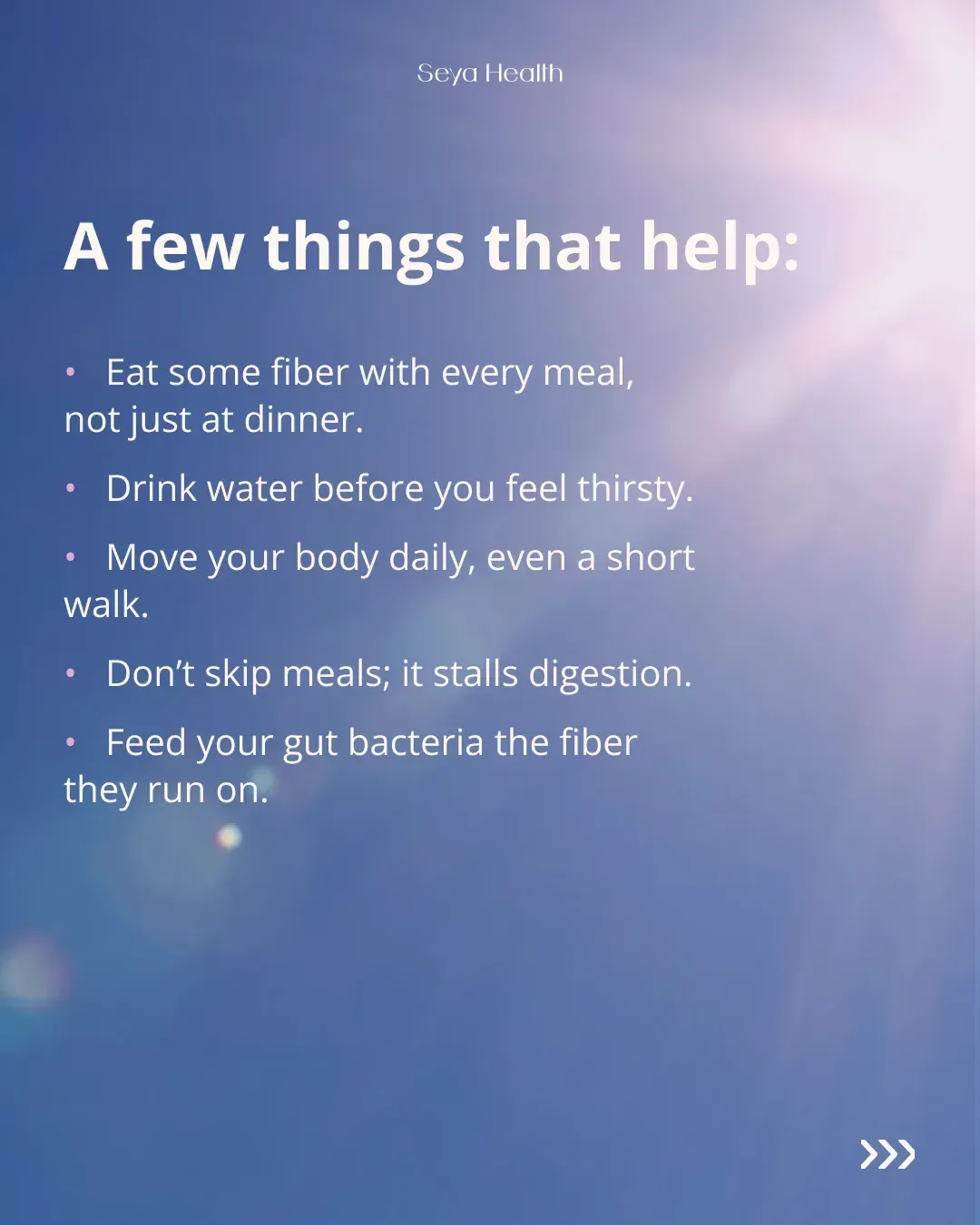
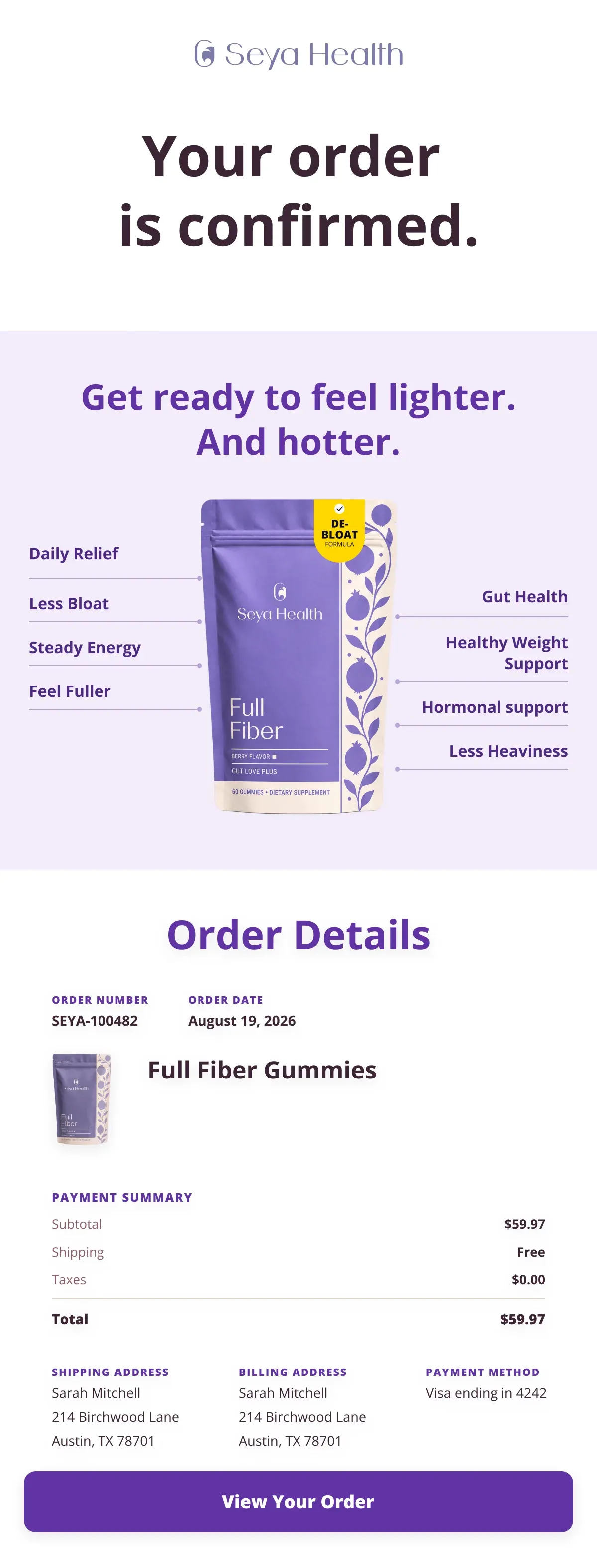
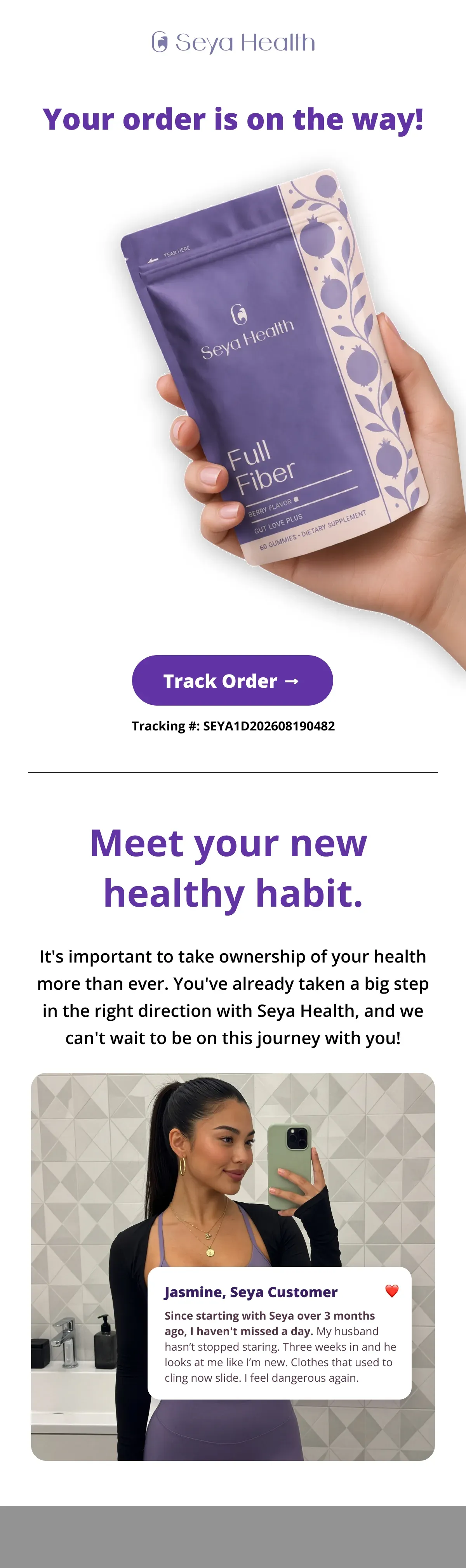
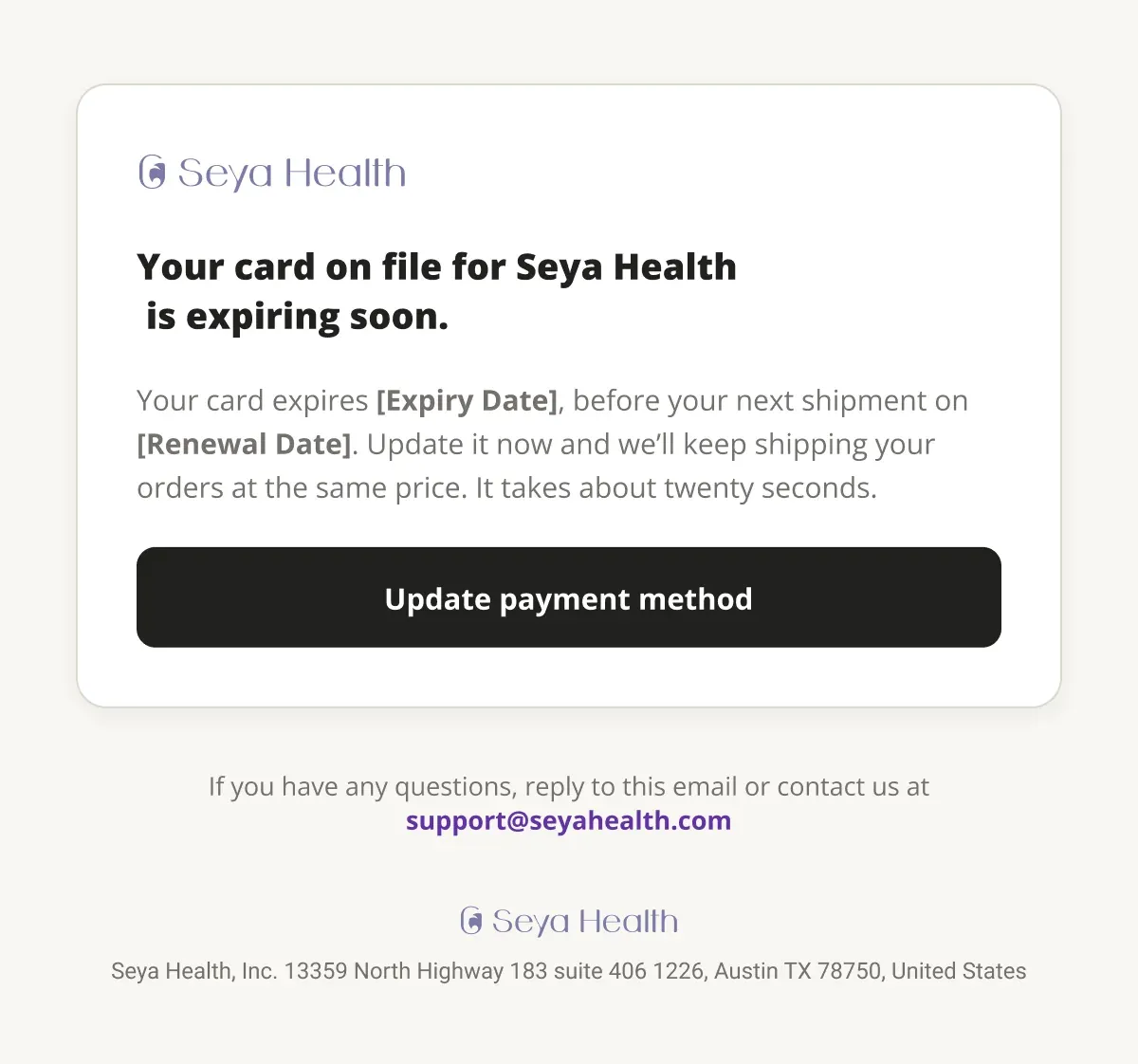
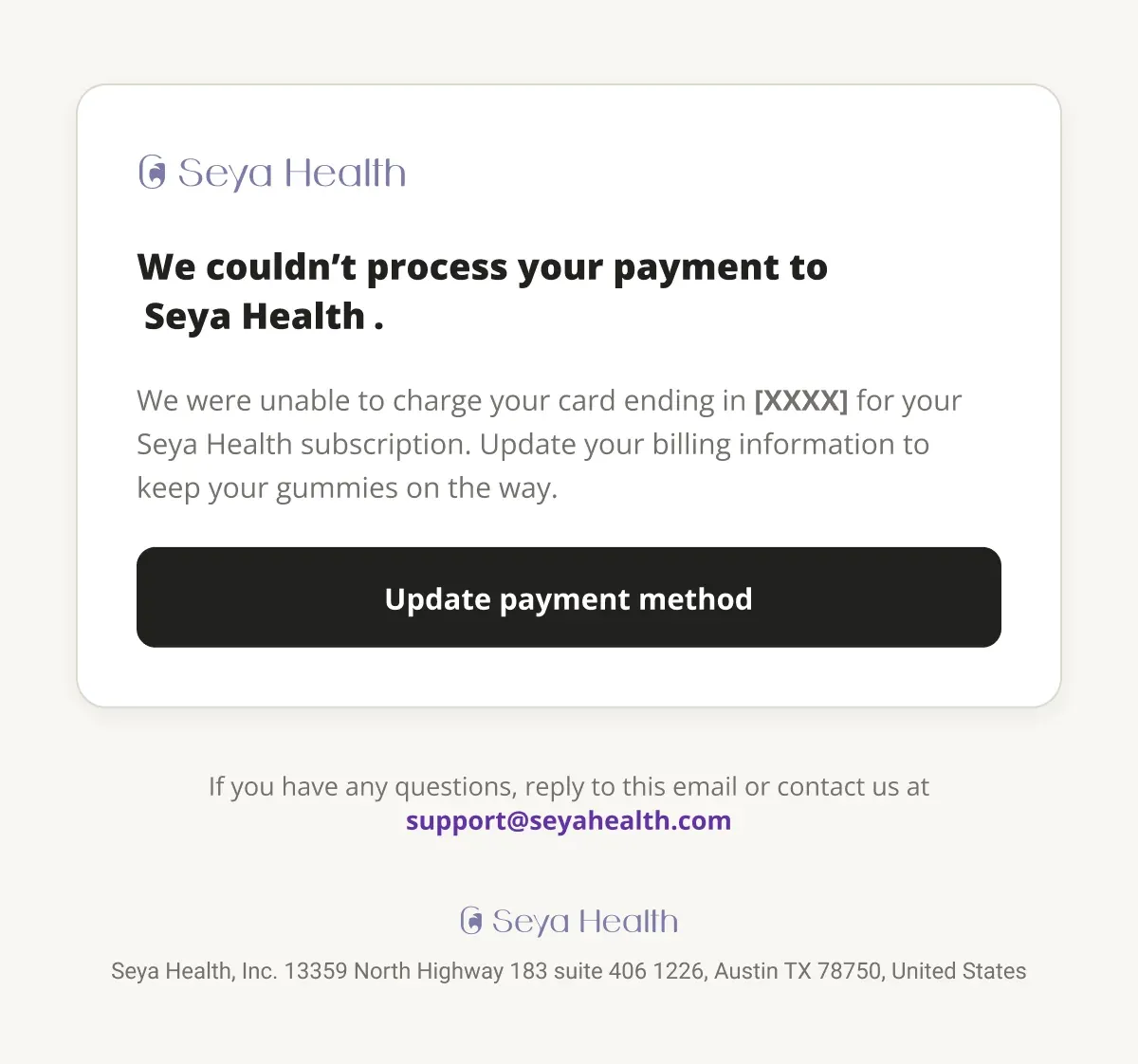
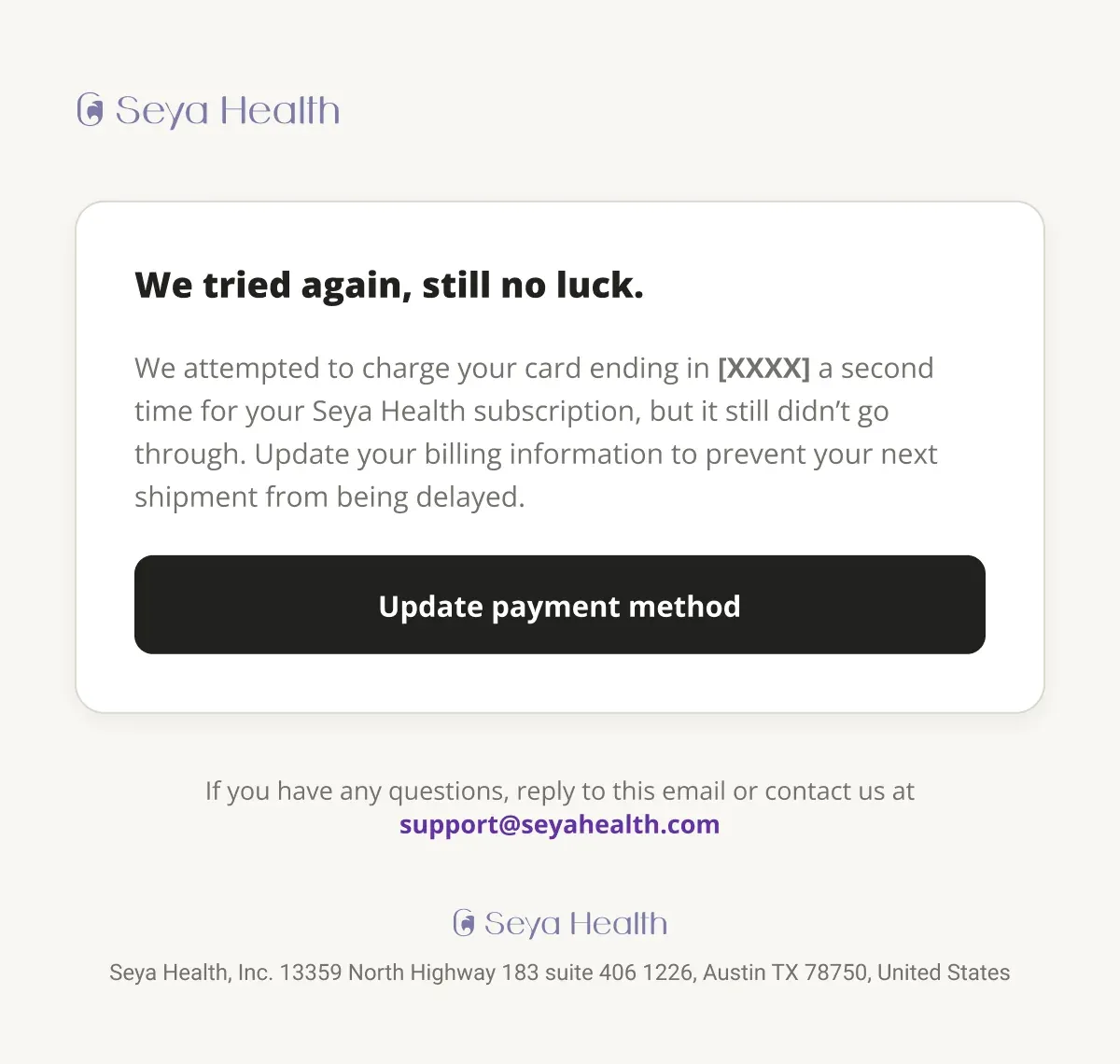
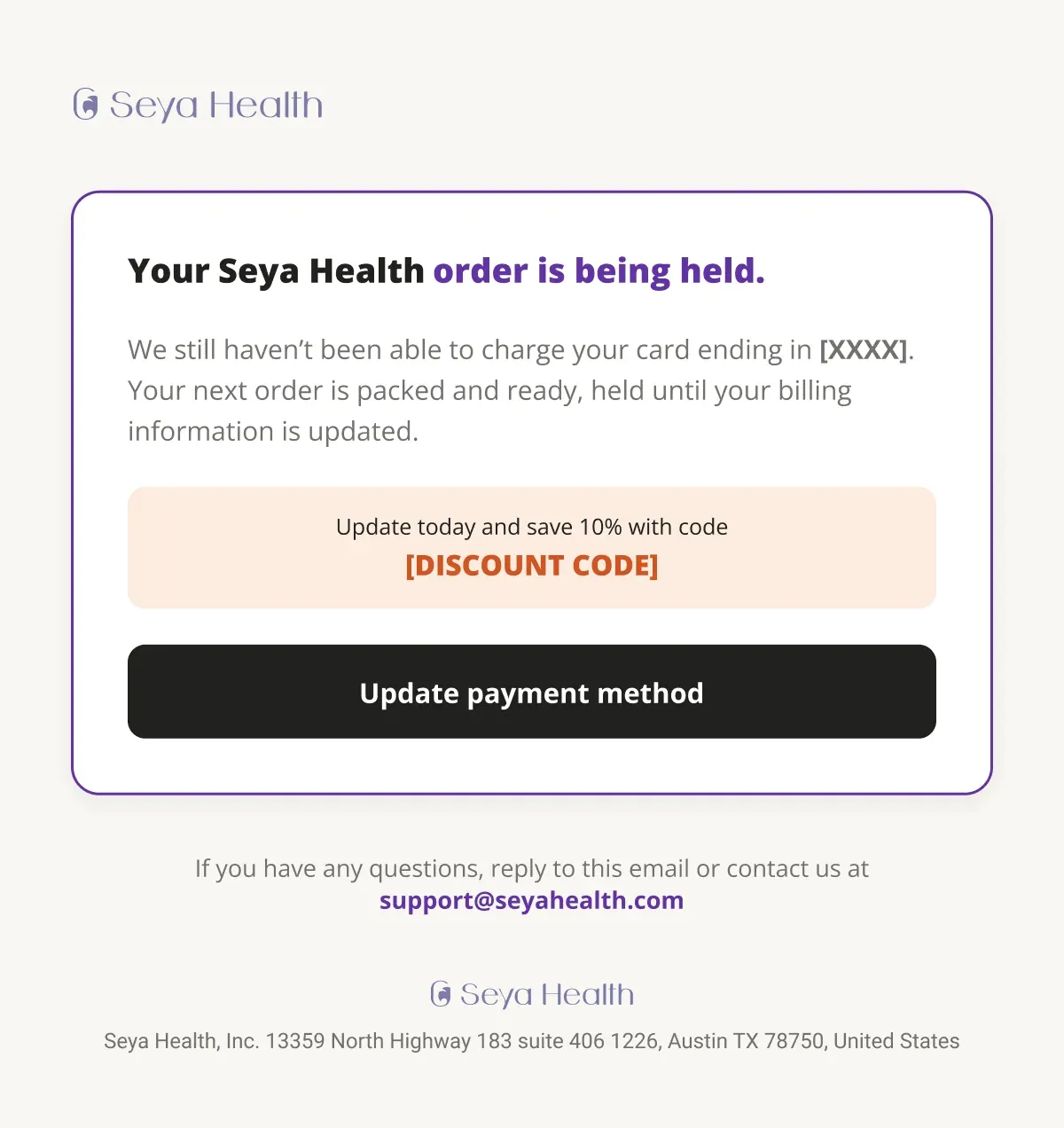
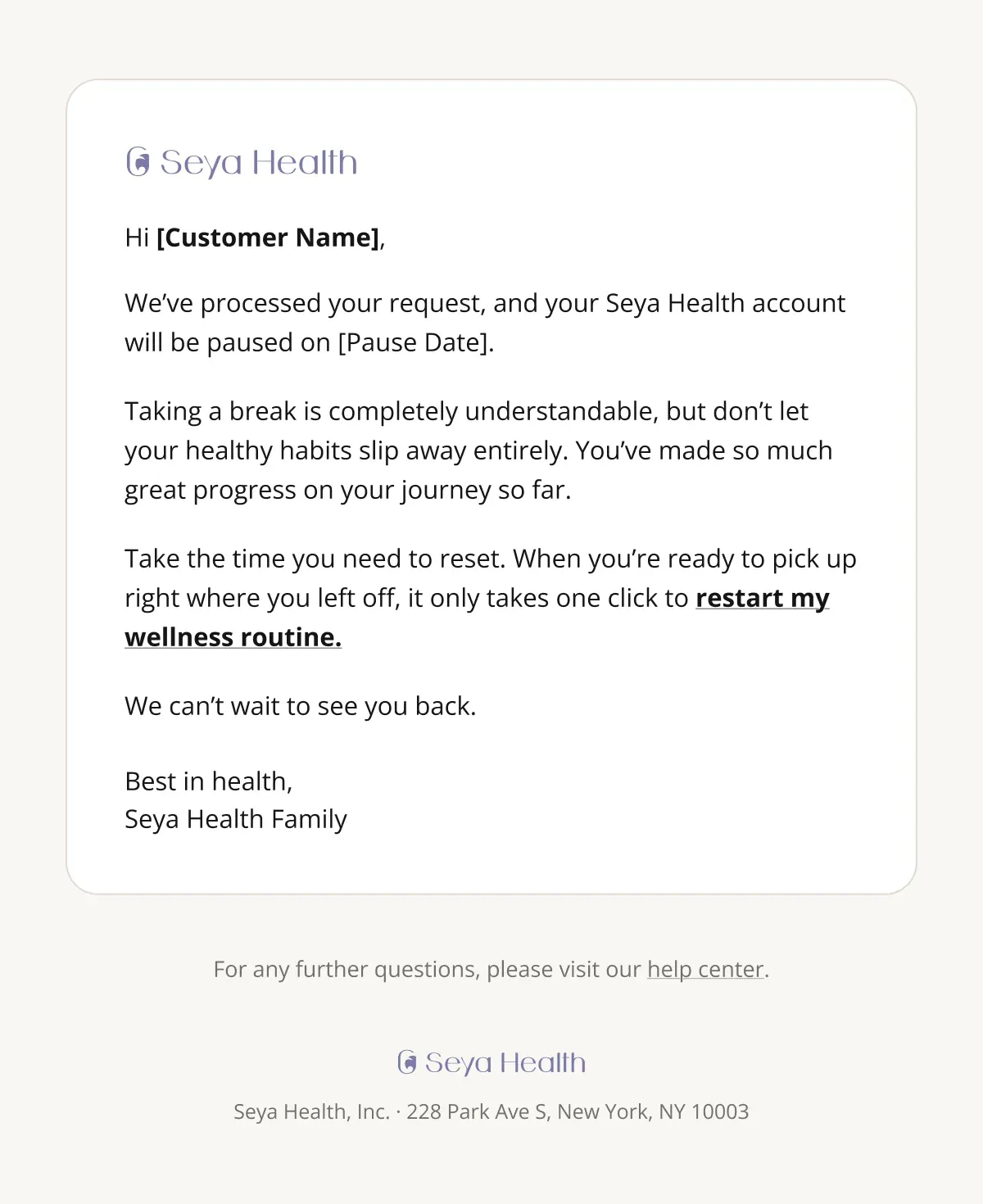
Yes. For Seya Health, a women's fiber supplement brand, every number and claim traces back to one product-spec file and an approved claims list. I dropped ad angles the product could not support, such as weight loss and blood sugar.
How do you write case studies?
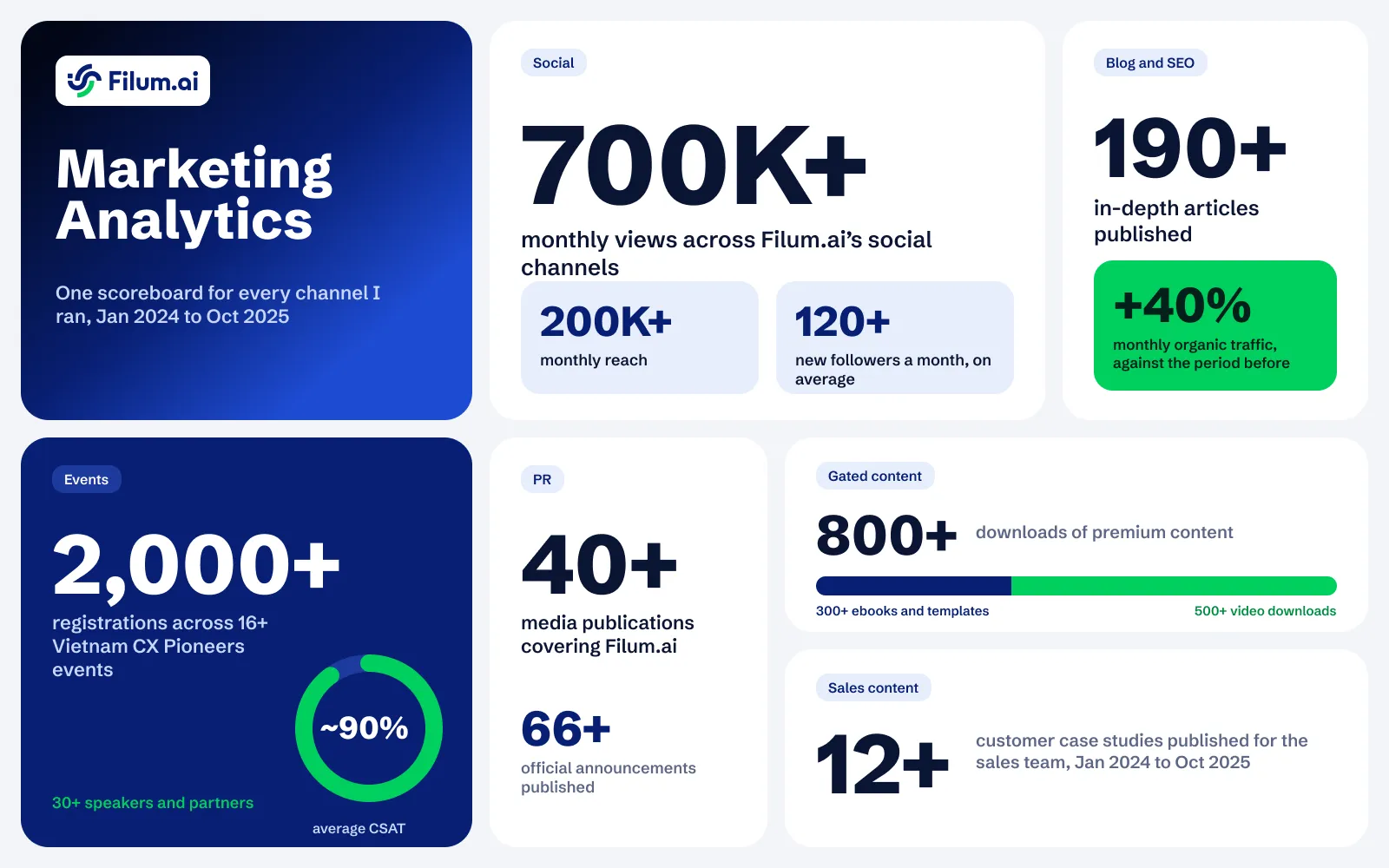
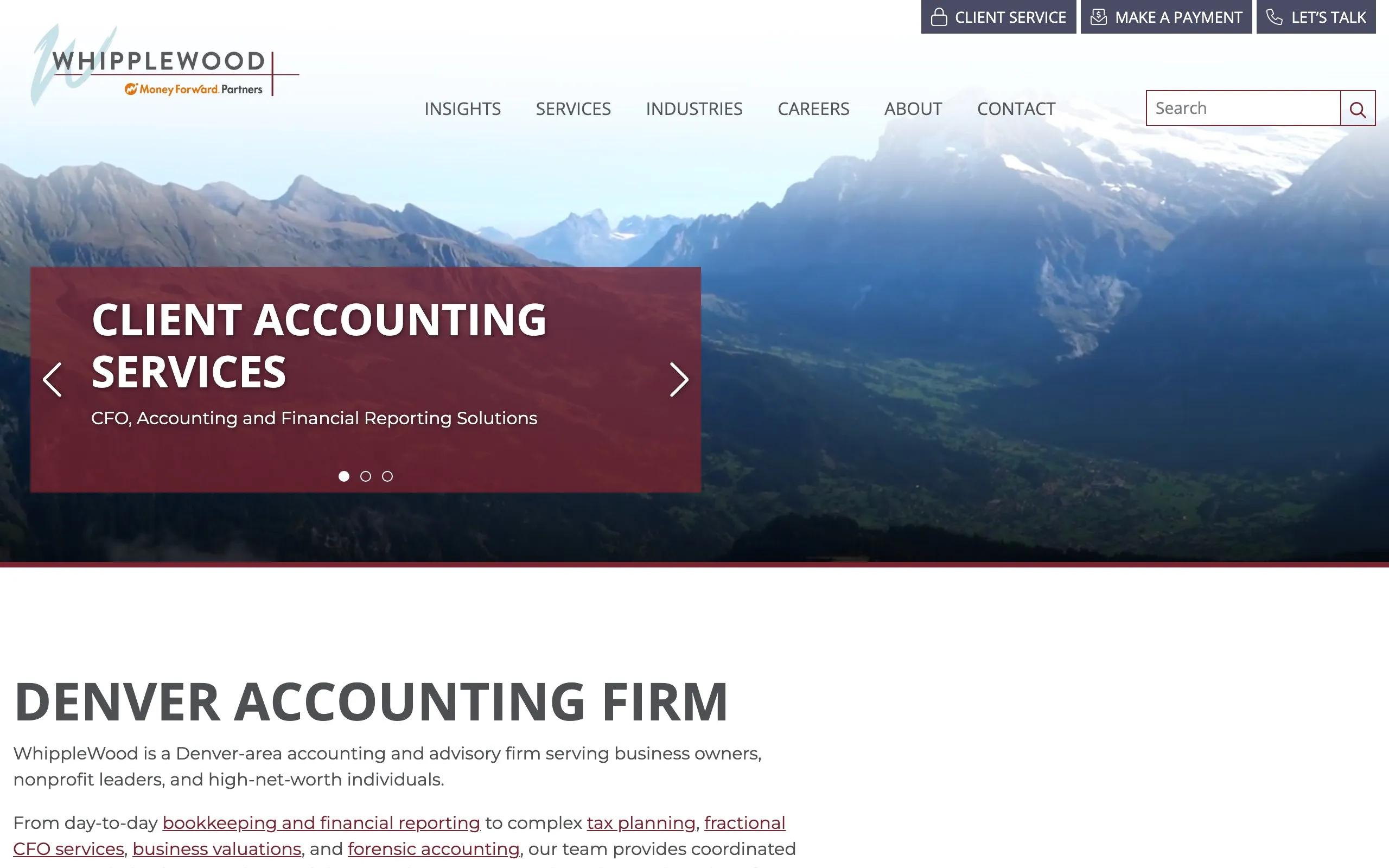
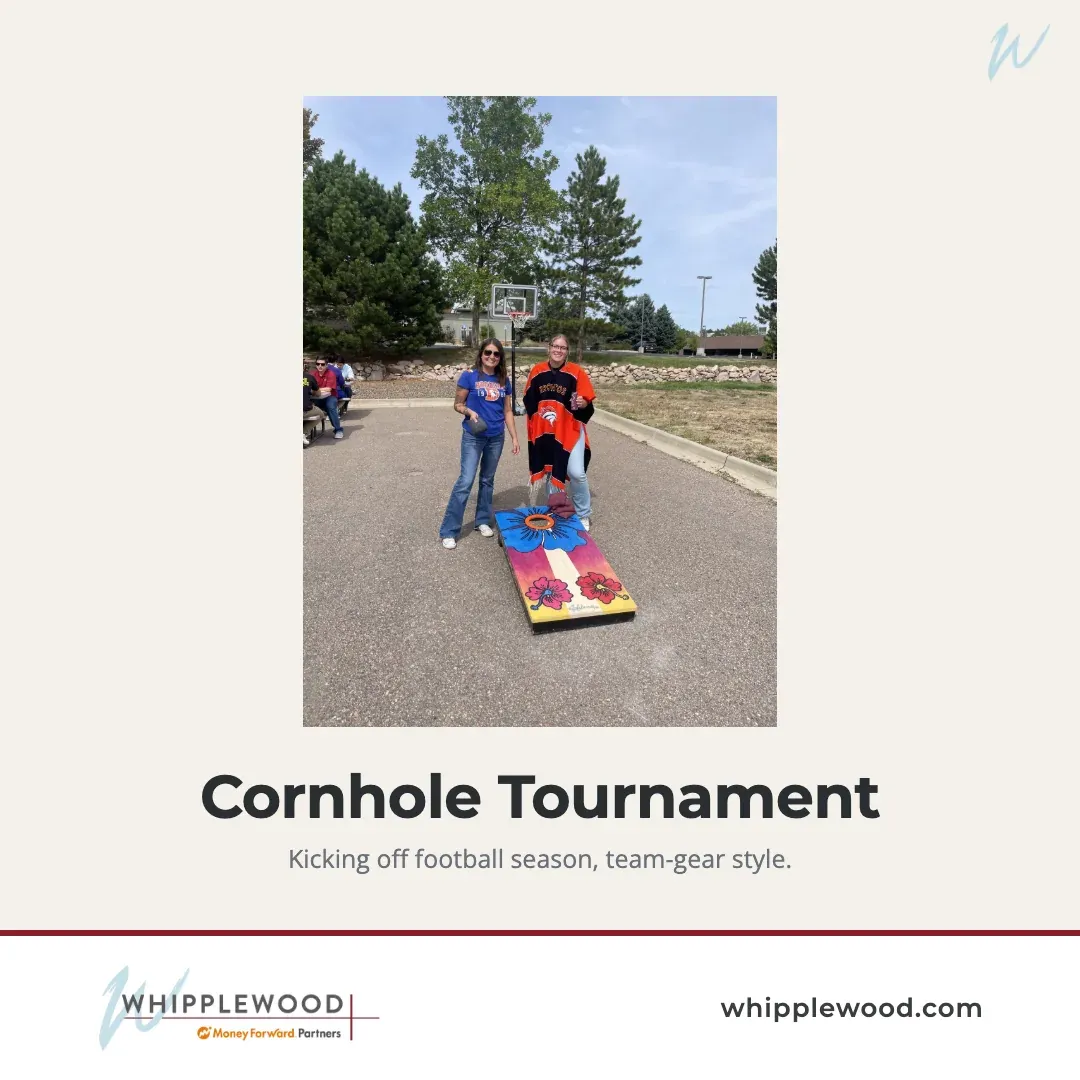
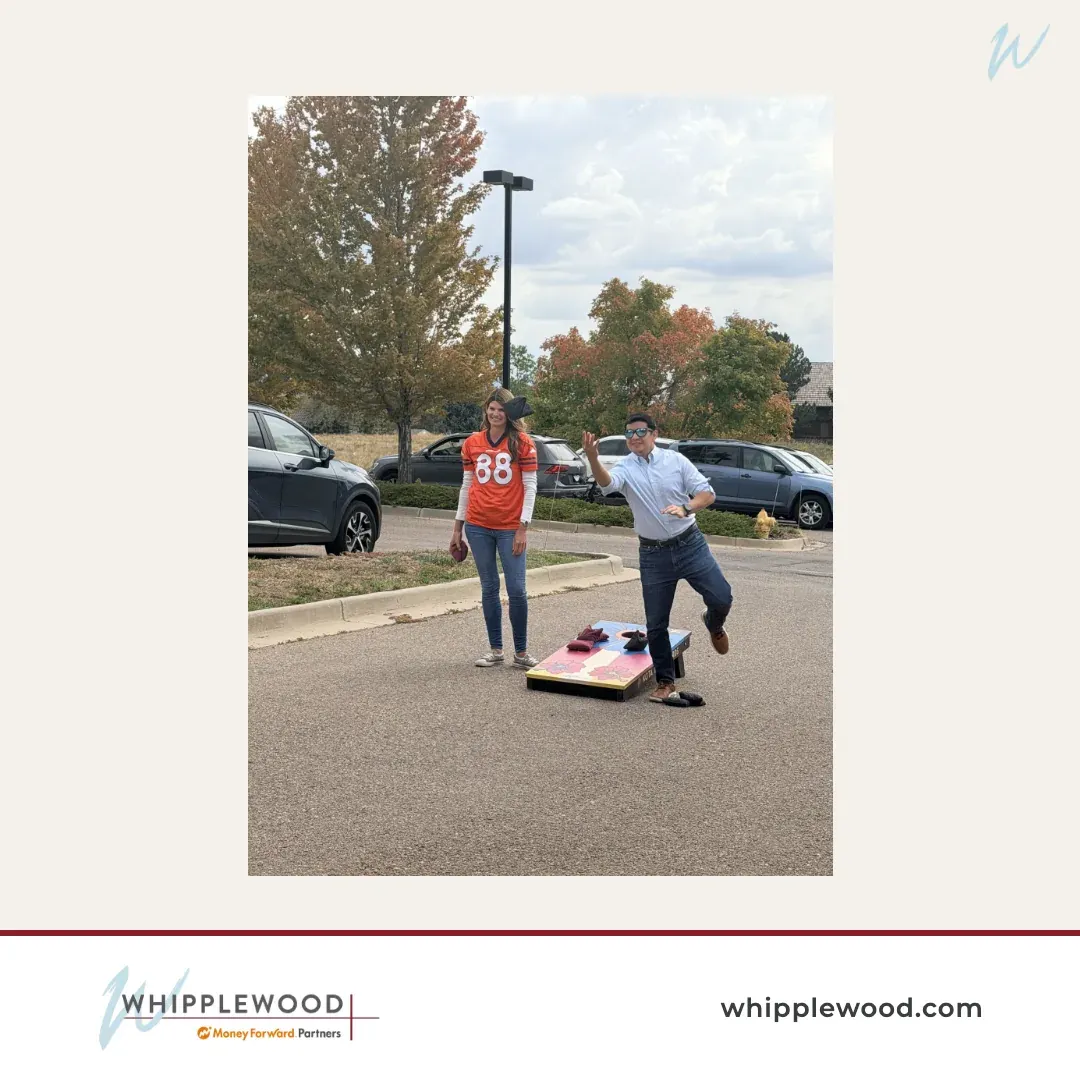
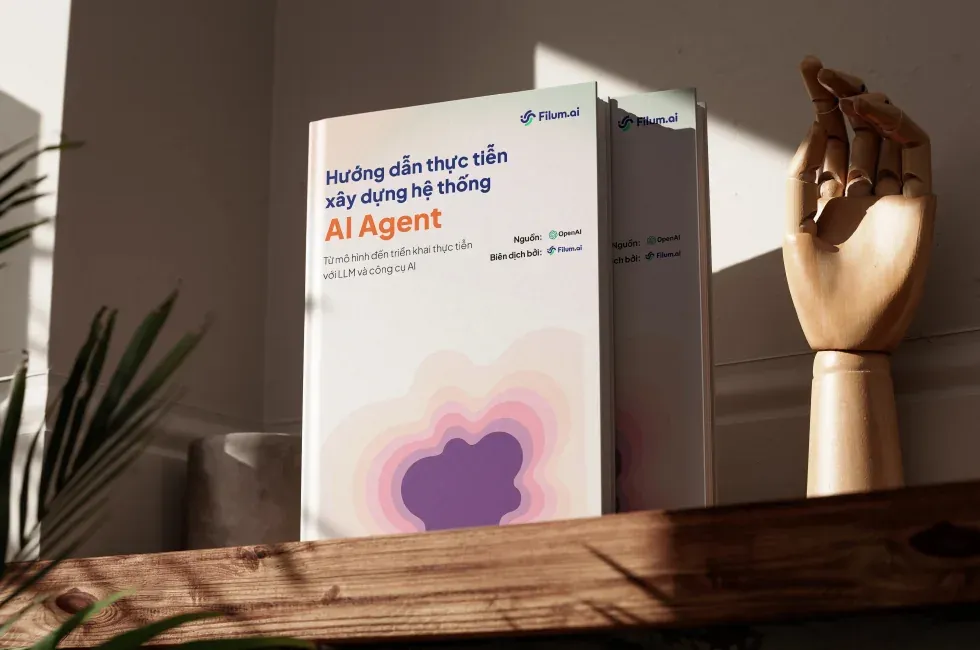
I pick customers with real results, write the questions and run the interview myself, then tell the story from problem to result. The customer approves the draft before it goes live. That method produced 12+ case studies at Filum.ai and WhippleWood's first two.
How long until a content strategy shows results?
The plan itself takes a few weeks. Search results take longer: at Seya, non-brand searches in Google's top 10 went from 0 to 148 in three months. Case studies pay off as soon as sales can send them, and engagement needs a full quarter of data to read fairly.
Can you work with our subject experts or writers?
Yes. I can interview your experts and turn their input into drafts, edit what your writers produce, or hand over a playbook so your team runs the process. For Seya Health I wrote an editorial playbook of 12 phases and 21 templates that now runs three publisher sites.
How much content can you produce, and how fast?
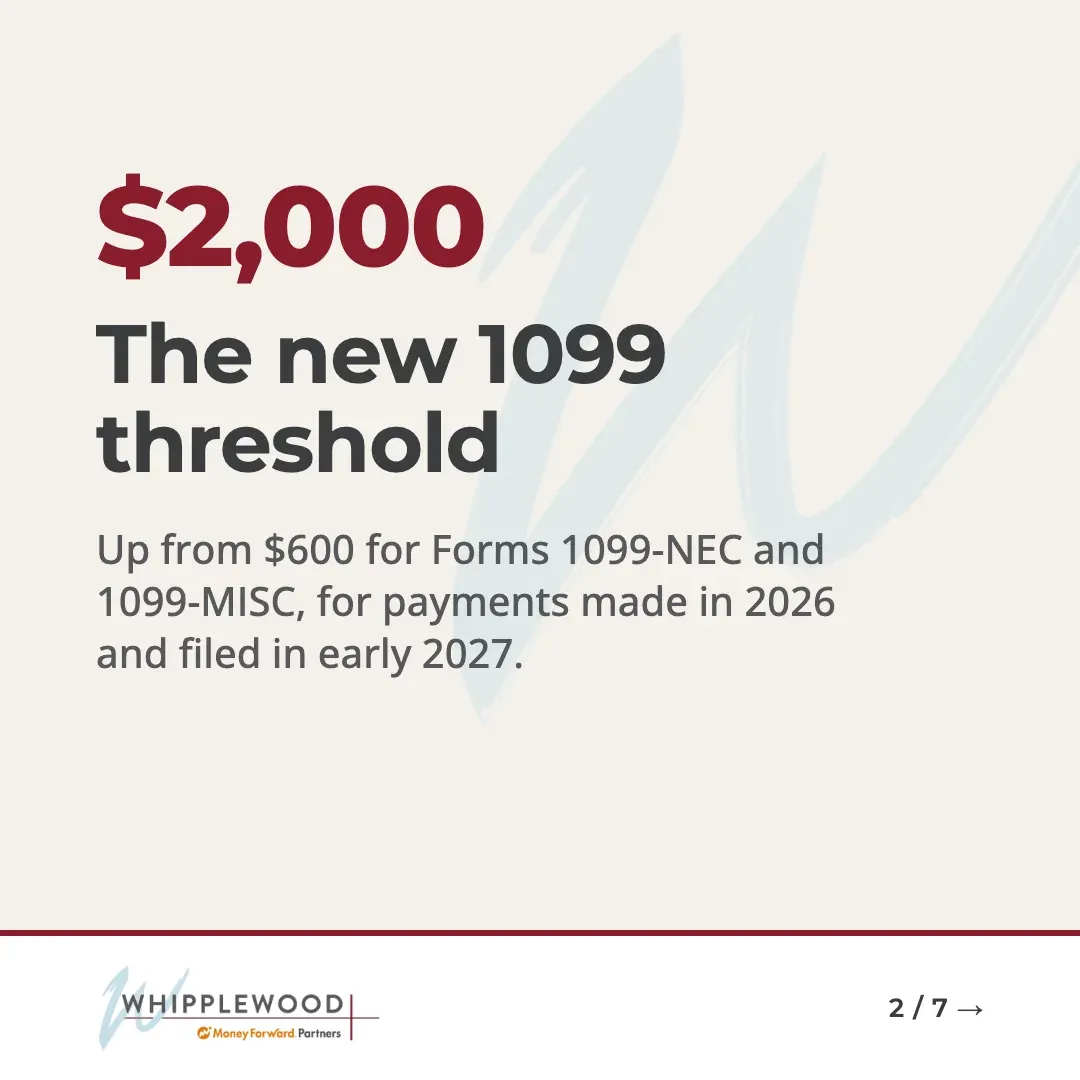
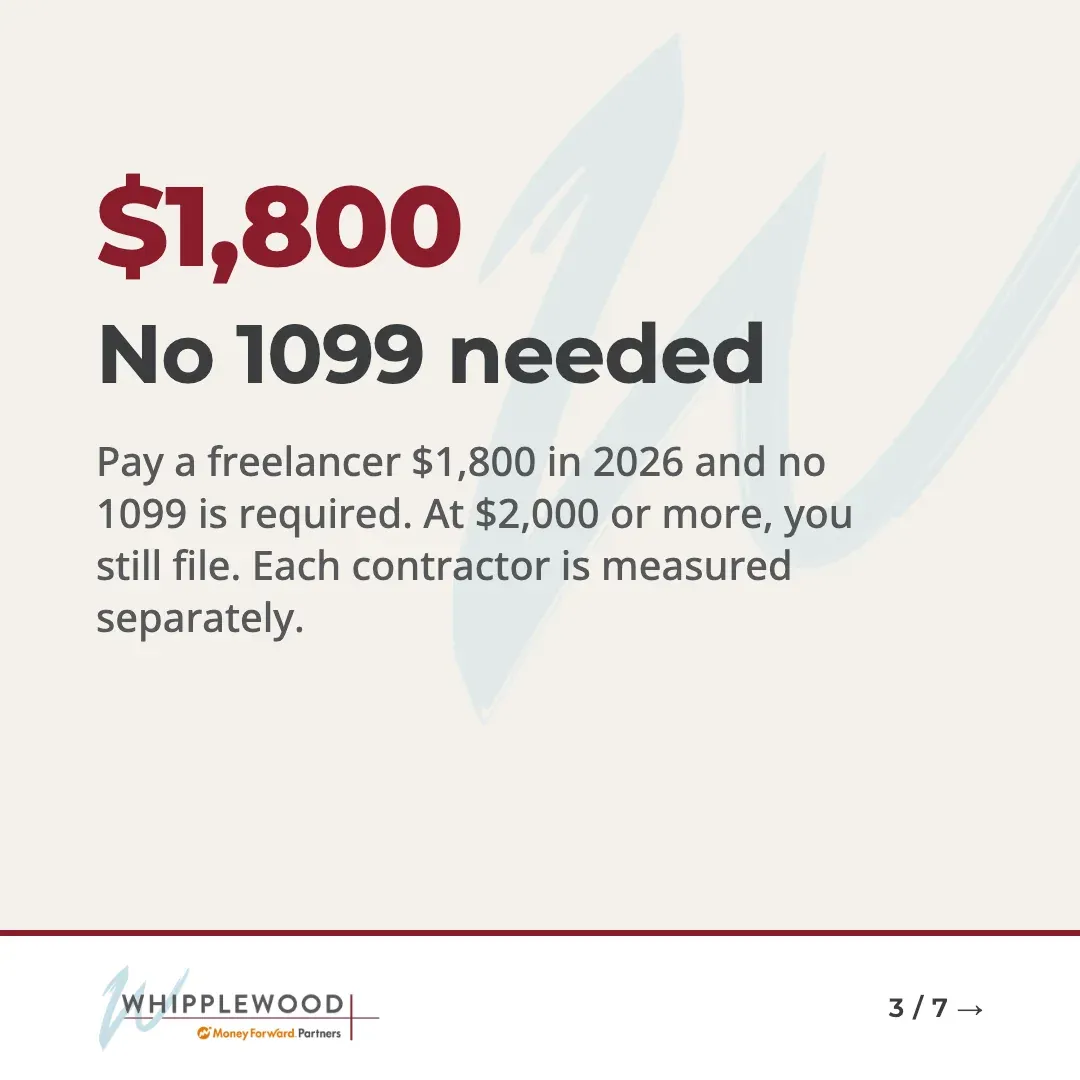
It depends on the format and how many checks it needs. On Seya Health I published 65 new articles from July to October 2026 alongside the translation work, and one new guide reached position 6 on Google within two weeks. On WhippleWood I rebuilt 12 guides in two months.
Which social platforms should my brand be on?
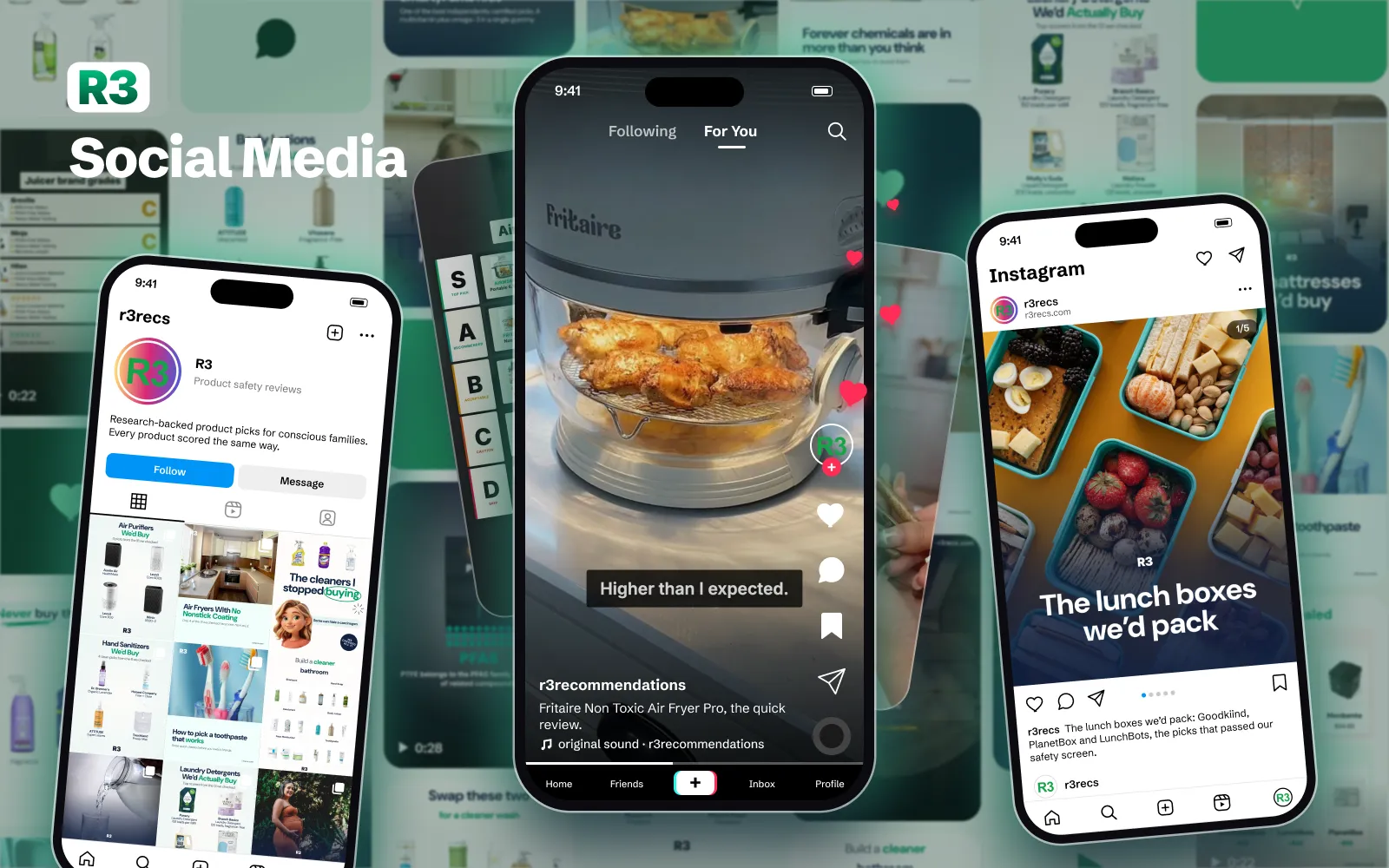
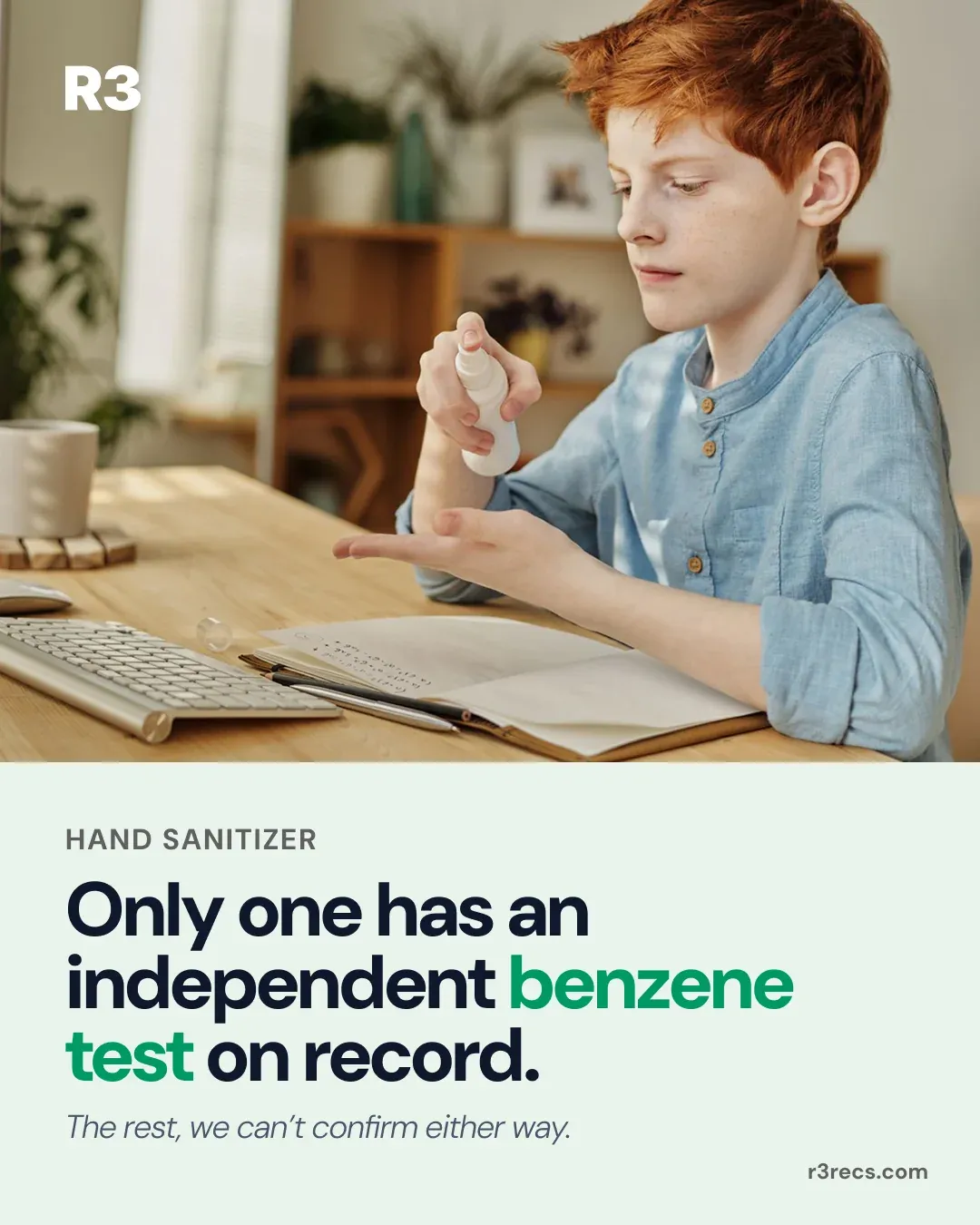
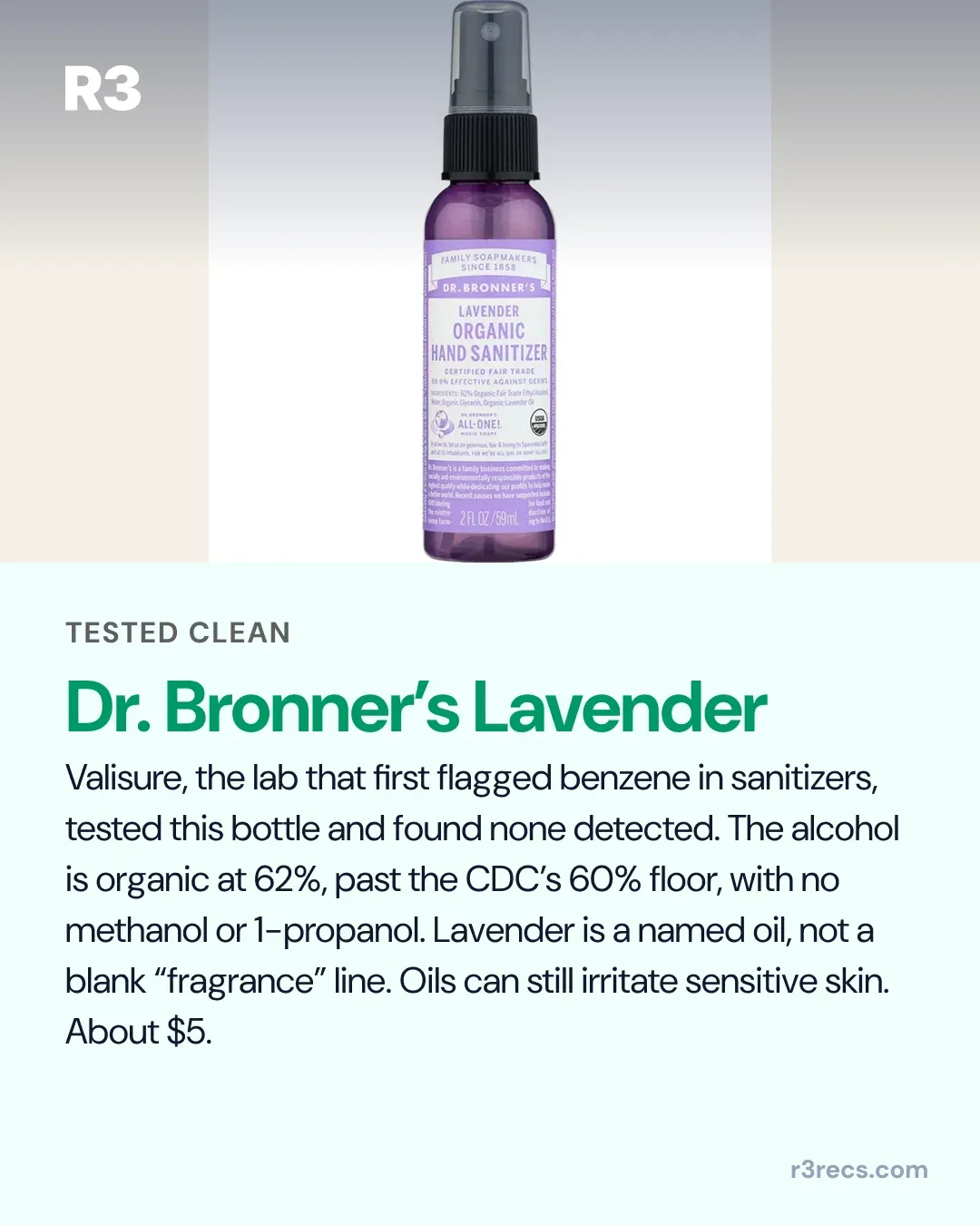
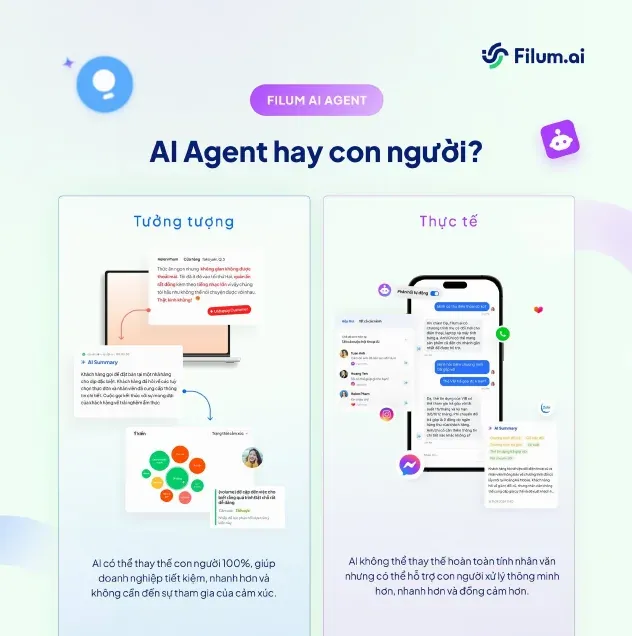
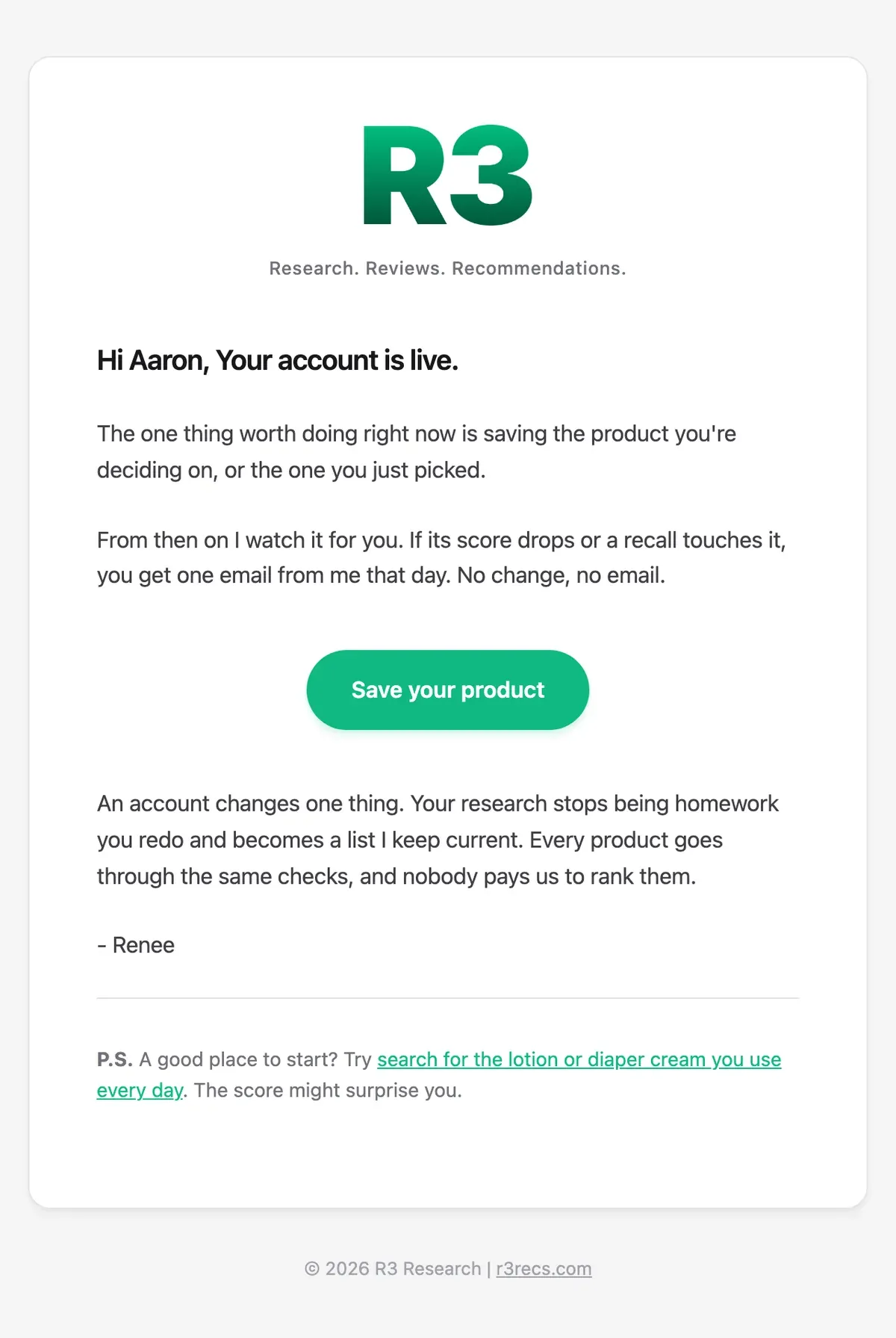
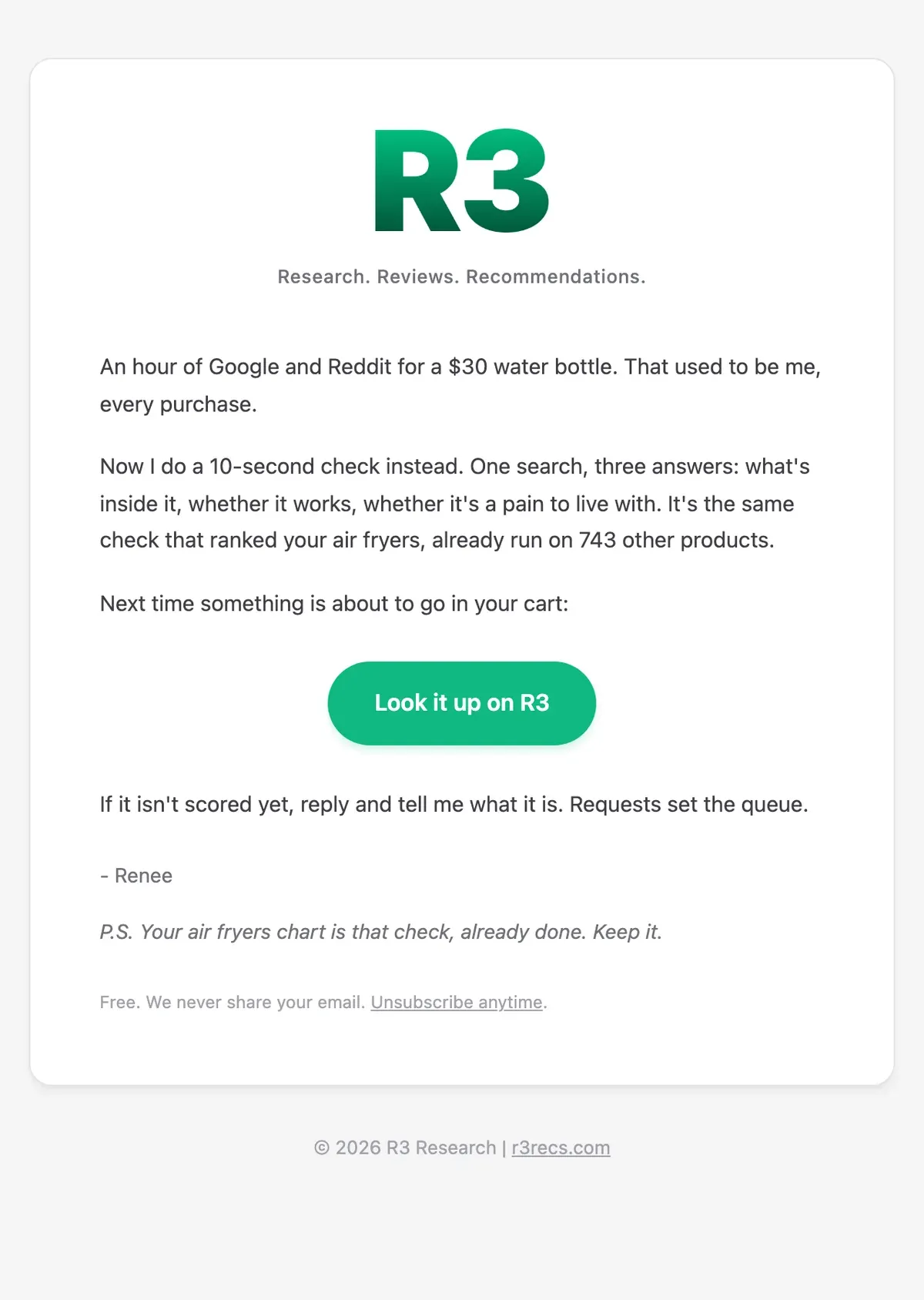
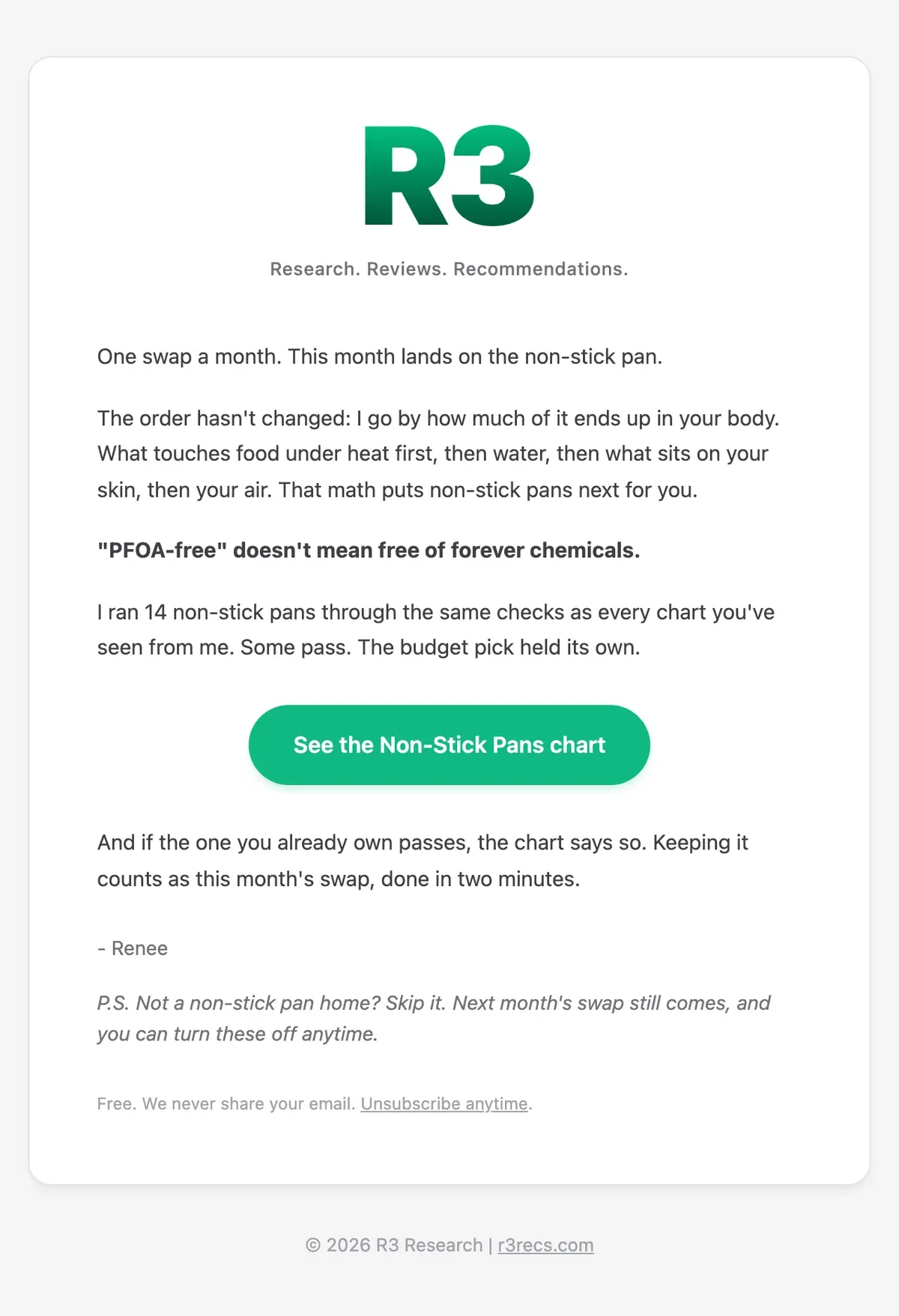
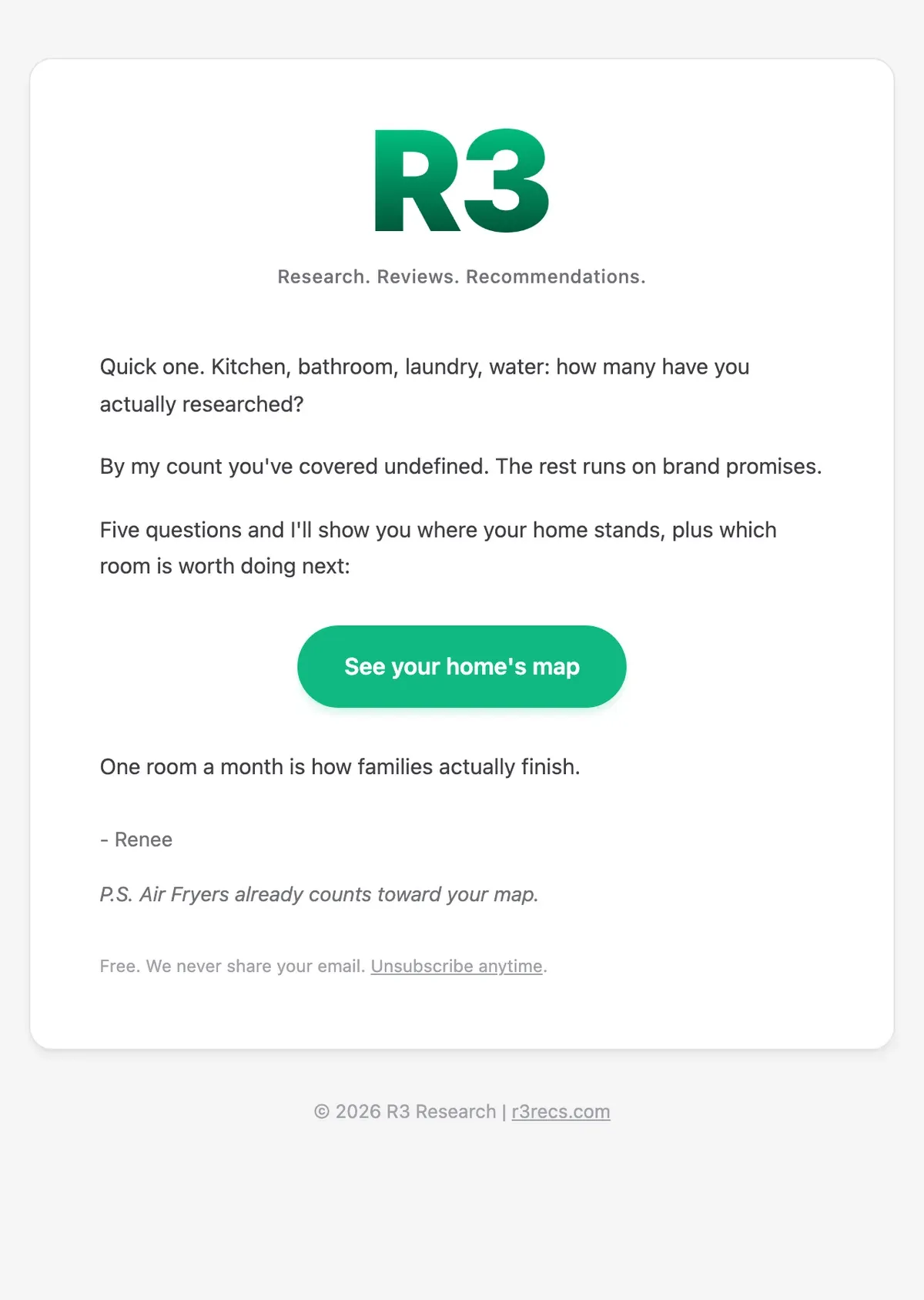
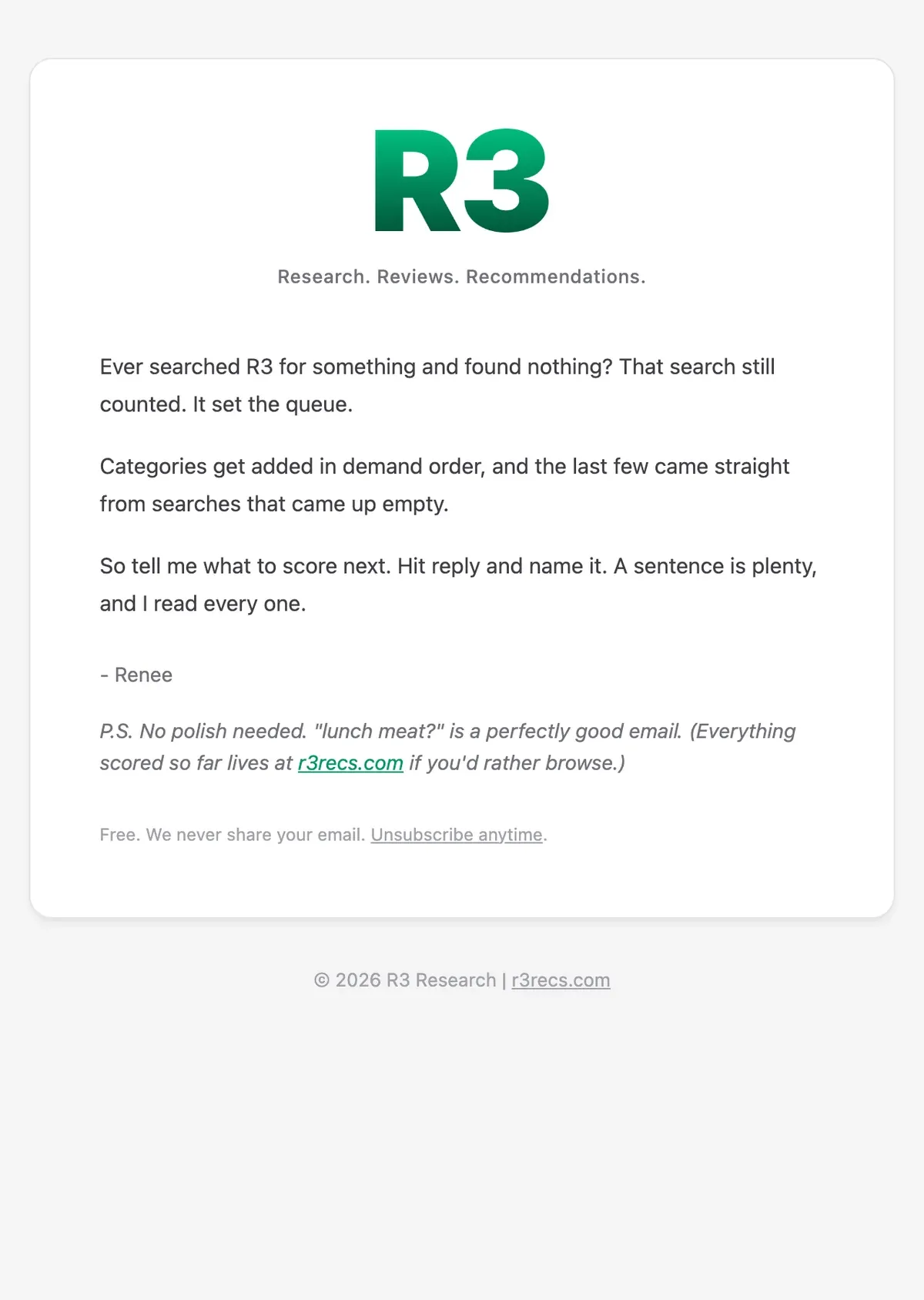
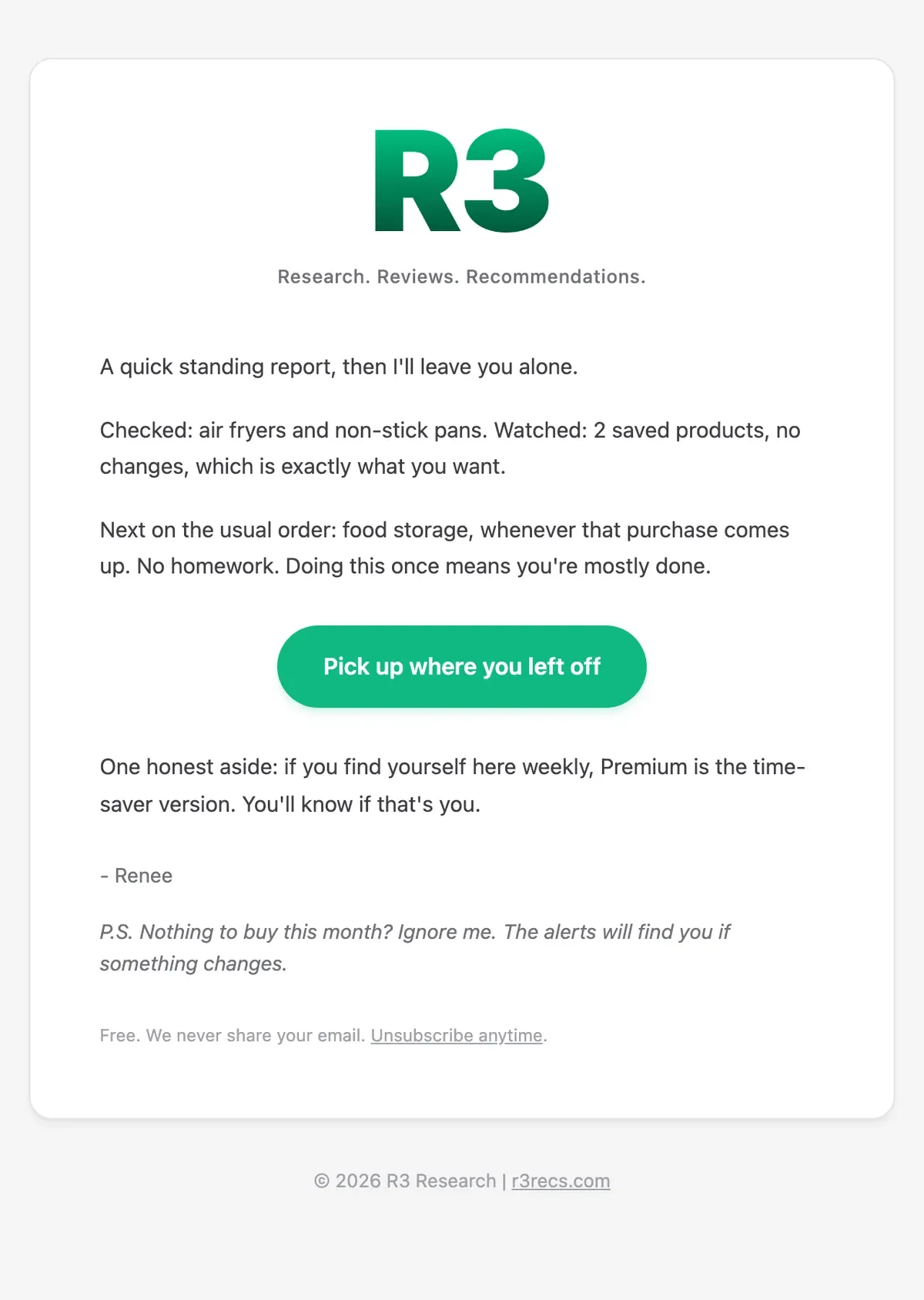
The ones your buyers already use, and only as many as you can keep active. For Filum.ai, a B2B software company, that meant long LinkedIn posts for professionals and short videos on TikTok, Reels and Shorts, and the channels grew to 700,000+ views a month. For R3, a site for parents, every approved post goes out on six channels.
Will posting more often grow my audience?
Not on its own. For DivAgent I published 40 Instagram posts on schedule in about seven weeks, and the account still had 3 followers. Cadence keeps a channel alive, but reach comes from formats people share, cross-promotion and some paid boosting, so I plan those from the start.
Can you translate our content into other languages?
Yes. I took Seya Health's journal into seven languages in one week: 595 pages, each written against a claims glossary for that language and reviewed before it went live. A live audit found 334 of 340 correct, and the other six were fixed the same day.
How much does it cost?
It depends on whether you need the plan, the writing or both, how many channels you run and how much research each piece needs, so I quote after a short call. Tell me what you need to publish on the contact page, and I send a plan and my rates by email or on Zalo.